SUNGLINT/ NOUN — THE BRIGHT PATCH OF SUNLIGHT MIRRORED OFF THE SEA, SEEN FROM ABOVE.
Design with gravity
Websites, designed and built by one person.
Sunglint Studio is one developer in Slovenia, designing and building websites end to end.
Three concept sites are live below and open in one click. Engineering is done with Anthropic's Claude
and verified against a written spec.
Self-initiated concept builds for fictional brands, not client work. Each row opens the real,
working site in a new tab. On a desktop, hover a row and it loads and runs right here.
From the first wireframe to the deploy, the same person does the work. There is no hand-off
between a design team and a build team for you to manage.
01
UI / UX design
Research-led interface design, a real design system, and prototypes you can click through before a line of code is written.
02
Front-end engineering
Accessible, fast, maintainable code in React, Next.js or plain JavaScript. AI-assisted, spec-verified, Lighthouse 95+ as the standard.
03
3D and WebGL
Interactive Three.js scenes and shaders that watch their own frame rate and draw less when a device falls behind, down to still pictures where it cannot keep up.
04
Motion and interaction
Scroll-driven storytelling and micro-interactions that carry information rather than decorate. Everything respects reduced-motion.
05
Content management
A headless CMS set up so you publish and edit without me. Handover includes a written guide and a screen recording.
06
Performance and SEO
Core Web Vitals, semantic markup, technical SEO and social metadata built in from the first commit, not bolted on at the end.
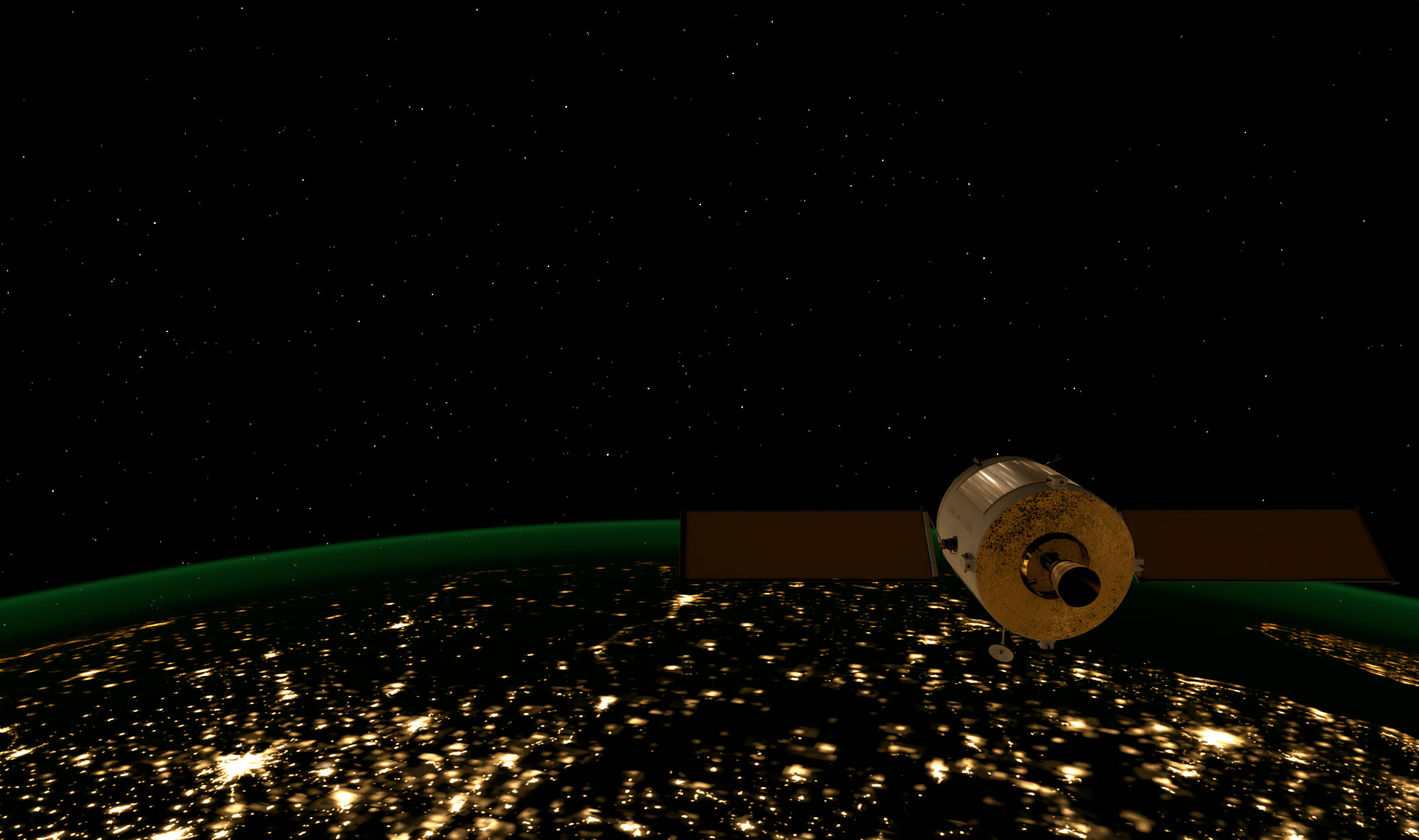
UMBRA ·PERIAPSIS AHEAD · 400 KM
Every light down there is someone who might open your website tonight.
At closest approach, only 400 km of curved spacetime separate this craft from Ljubljana, and no one separates the brief from the build.
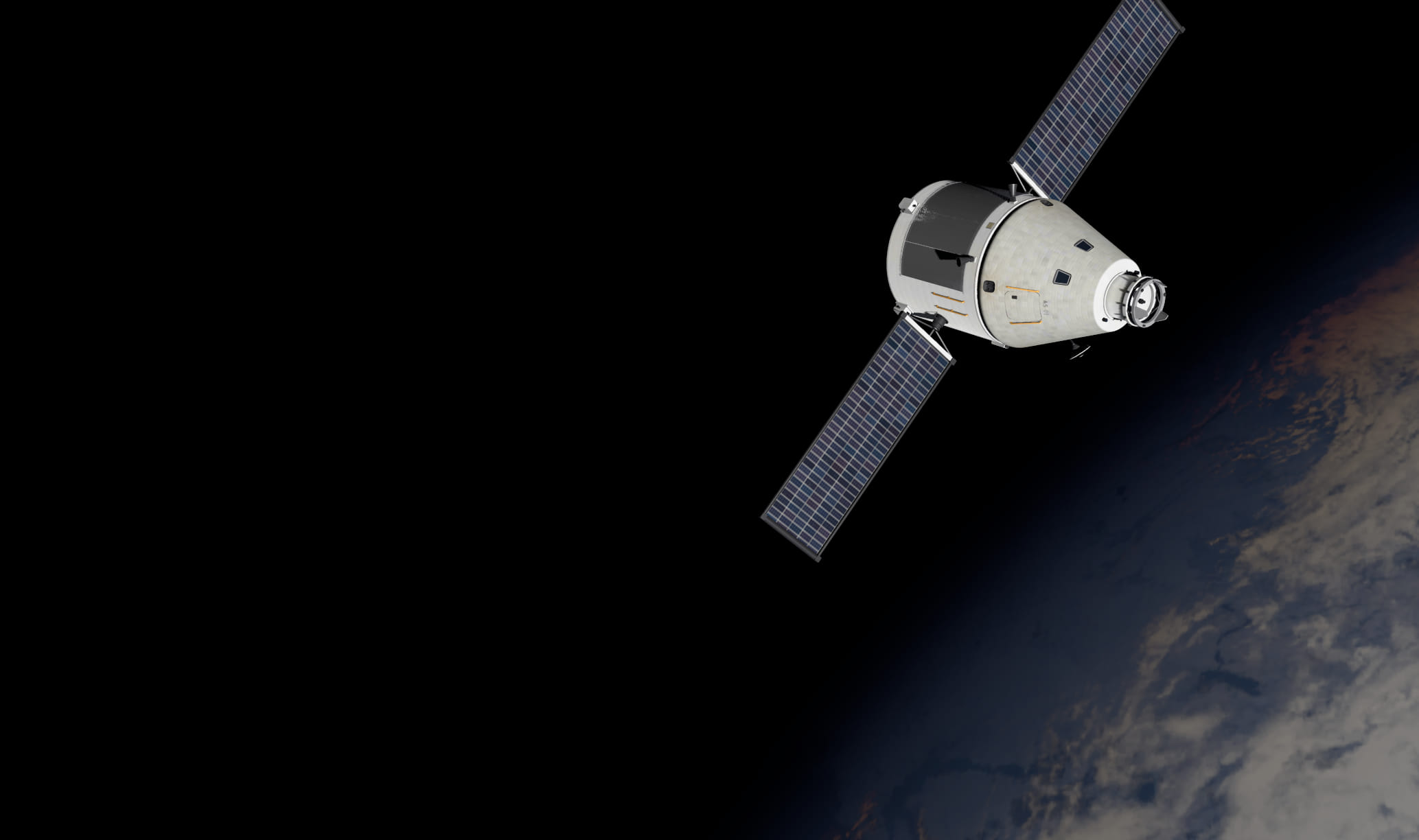
SUNRISE ·FROM SHADOW INTO SUN
The person you talk to is the person who builds your website.
03 / METHOD
Four stages. You approve each.
A fixed quote and a fixed scope agreed before anything starts. You can stop after any stage and
keep everything produced up to that point.
STAGE 01
Discover
Goals, audience, scope. You leave with a roadmap, a timeline and a fixed quote that does not move.
STAGE 02
Design
Wireframes become an interactive prototype you can click through on your own phone. Two revision rounds included.
STAGE 03
Build
Responsive engineering, motion, 3D where it earns its place, and a CMS so you can edit the content yourself.
STAGE 04
Launch
Deploy, test on a real phone and a real desktop, hand over every credential, and stay reachable afterwards.
04 / COLOPHON
A team of one, and how it works.
Sunglint Studio is one person. For engineering I work with Anthropic's Claude, Claude Opus 5.5,
inside Claude Code. I write the specification and check the built site against it. I say so up front because
plenty of studios build this way and simply do not mention it.
STUDIO
SUNGLINT
HEADCOUNT
1
PRINCIPAL
PINO LUKEŽIČ
BASED
SLOVENIA
REACH
REMOTE, WORLDWIDE
ENGINEERING
CLAUDE OPUS 5.5
VERIFICATION
BEHAVIOUR VS SPEC
REPLY TIME
UNDER 24H
01
I direct it. I verify it.
AI writes code quickly. It does not decide what your website should be, and nothing ships until it is tested against a written spec, on a real phone and a real desktop. When something needs fixing a year from now, one named person is accountable for it.
02
You own plain, readable code.
No proprietary builder, no locked platform, no template licence. Standard HTML, CSS and JavaScript that any developer can pick up. The tooling is how it gets written, not a subscription you inherit.
03
Your private data stays out of it.
What goes into a prompt is code, design direction and our correspondence about the project. Your customers' data, your credentials and your private documents do not. If a task would need them, I do it myself, outside the model.
04
What it actually buys you.
The time saved goes back into the work, not onto the invoice. More design rounds inside the same fixed price, and an answer to "could we try it the other way?" measured in hours.
THIS PAGE
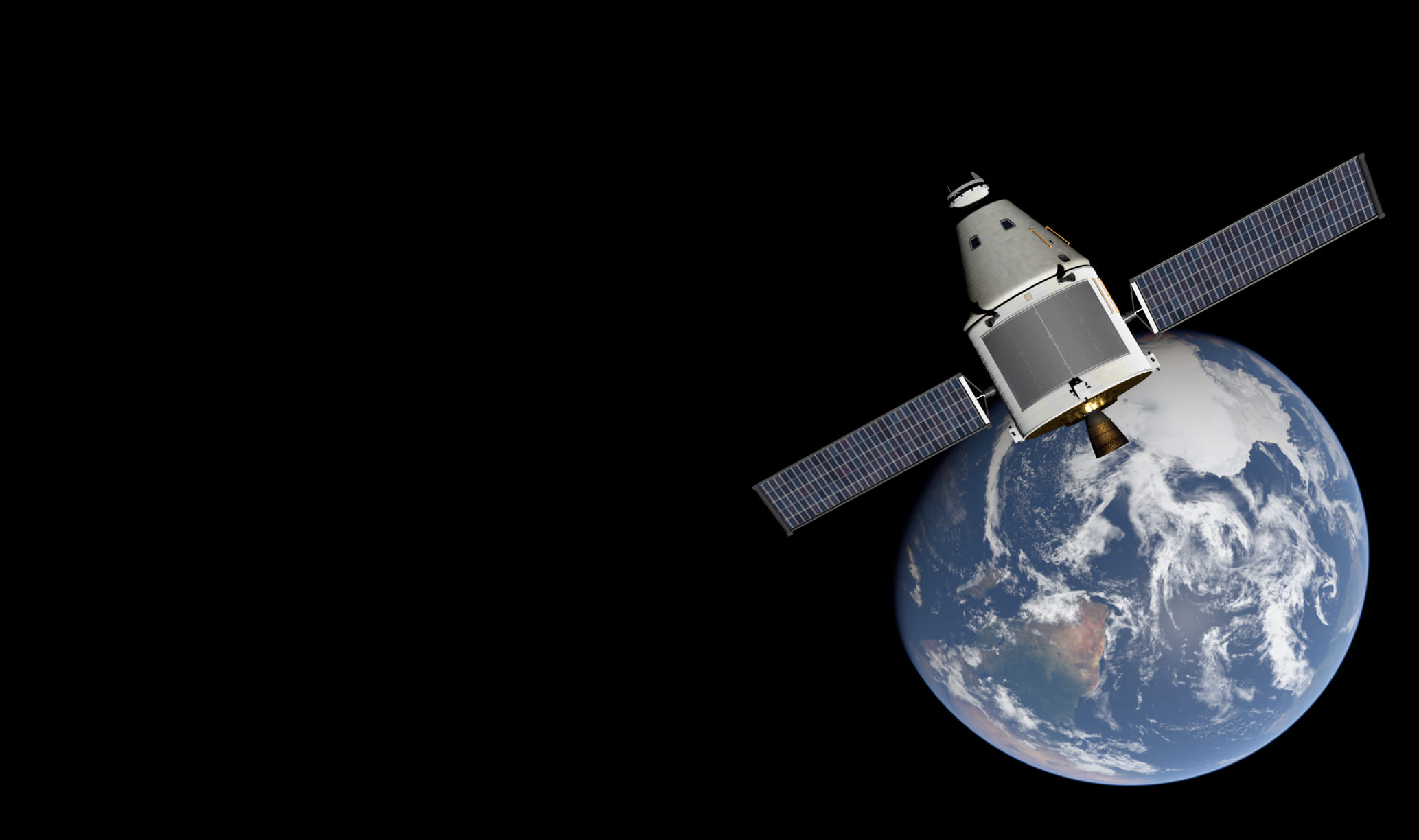
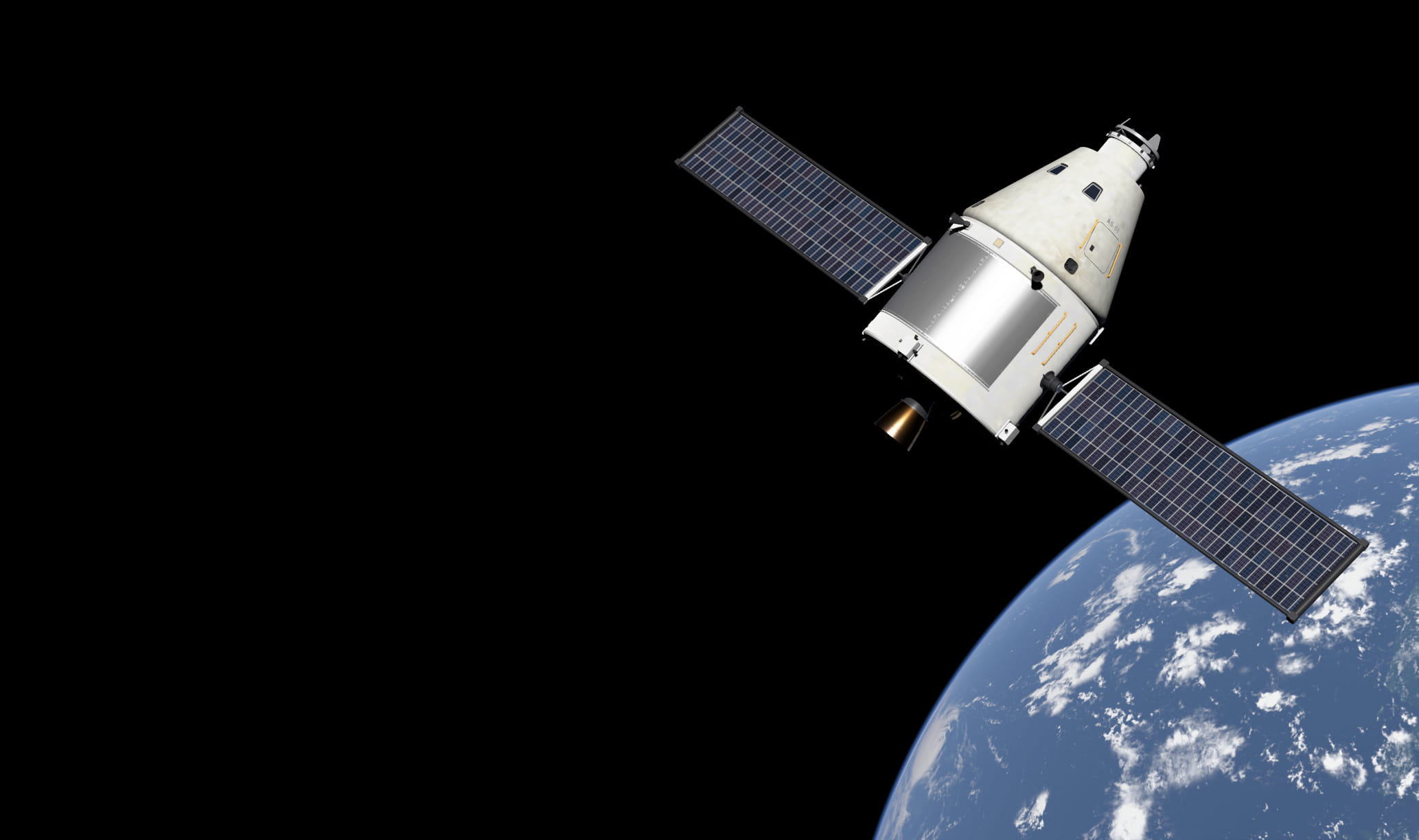
The readout under the window follows the craft on a real orbit: its altitude, speed, true anomaly
(), the time to or from periapsis, whether it is in sunlight or Earth's shadow, the point on the ground below it,
and the studio's local time. All of it is computed. Two liberties are taken. Earth turns faster than it really
does: one full turn per orbit. And your scroll scrubs time.
The far point of this orbit is at geostationary height. Herman Potočnik Noordung, born in Pula in
1892 and schooled in Maribor, put a space station on that orbit, with a rotating wheel to live in, in his book
Das Problem der Befahrung des Weltraums (Berlin, 1929).